How Andrew Runs an Open House
An open house works best when it is treated as part of the property’s larger pricing, preparation and marketing plan. This is how I prepare the seller, organize the event, manage visitors and move the useful information into follow-up and offer review.
The seller and I walk through the house together.
Before the open house, the seller and I walk through the property together so we can prevent problems before they happen. We identify valuables, fragile or expensive belongings, personal items and anything visitors should not be able to access. Those items should be secured or removed before the event.
The seller is responsible for securing their belongings. I manage the entrance and the event, but I cannot continuously supervise every visitor while people are moving through different rooms. A sign-in record helps organize attendance and follow-up, but it is not a guarantee of safety.
Firearms must be securely stored where visitors cannot access them, or lawfully removed by the owner before the open house. The same practical rule applies to medications, financial records, keys and anything else that should remain private.
We agree on the ground rules before the event.
We decide before the open house whether visitors will remove their shoes or use booties. I follow the seller’s preferences while also considering visitor comfort and mobility and keeping the entry moving. I do not apply a blanket rule that excludes somebody because of a disability; if an accommodation is needed, I work through it respectfully.
It is usually better for owners and pets to be out of the home during the event because their presence can distract visitors and make it harder for buyers to look and speak freely. A walk, drive, shopping trip or time with family can work. If leaving is not practical, I work around the seller’s circumstances rather than treating it as an absolute requirement.
Buyers should be able to find the event and understand the property.
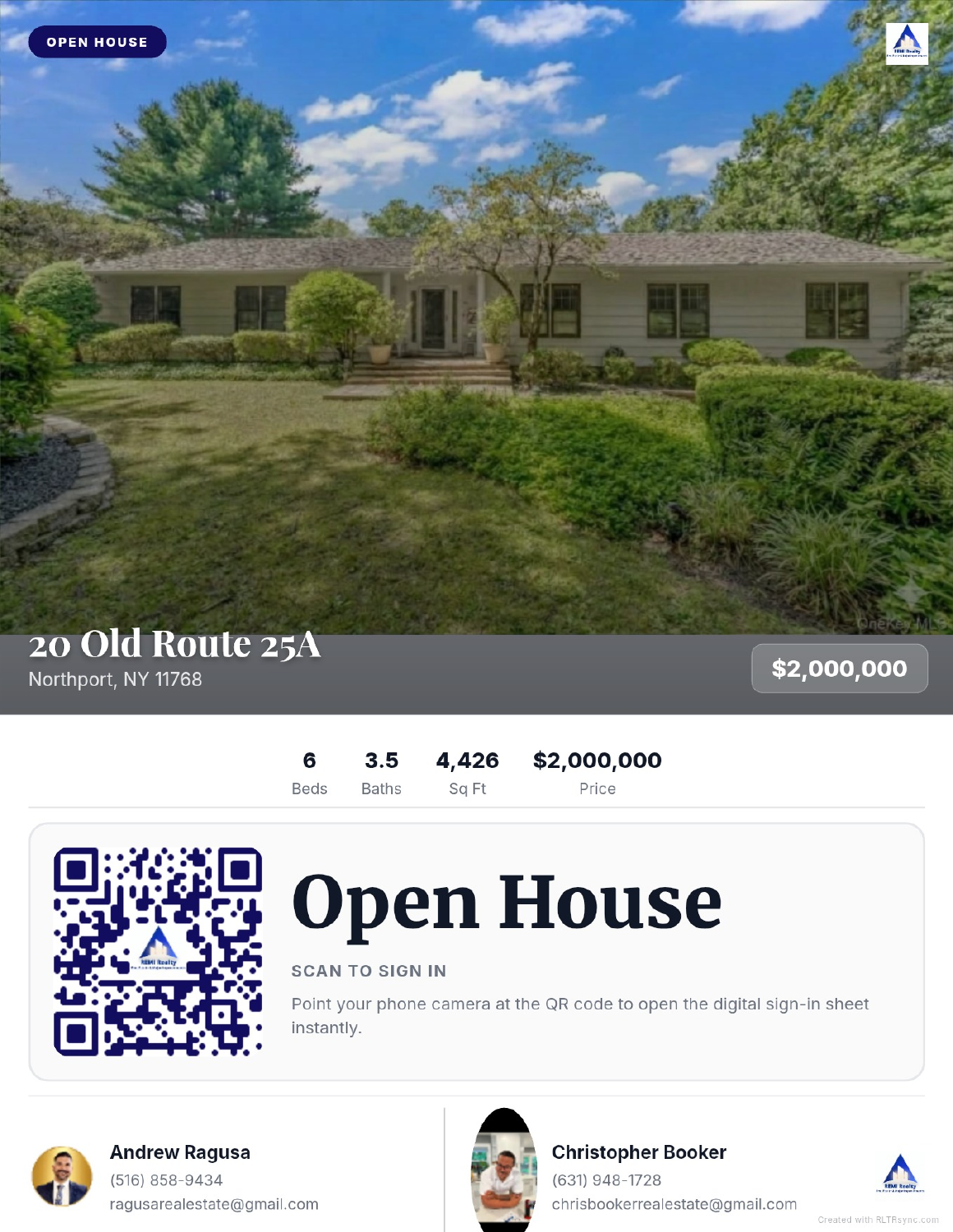
I enter the open-house date and time in the MLS, which distributes the event information to connected real-estate websites. Each website updates on its own schedule, so the event may not appear everywhere at exactly the same time.
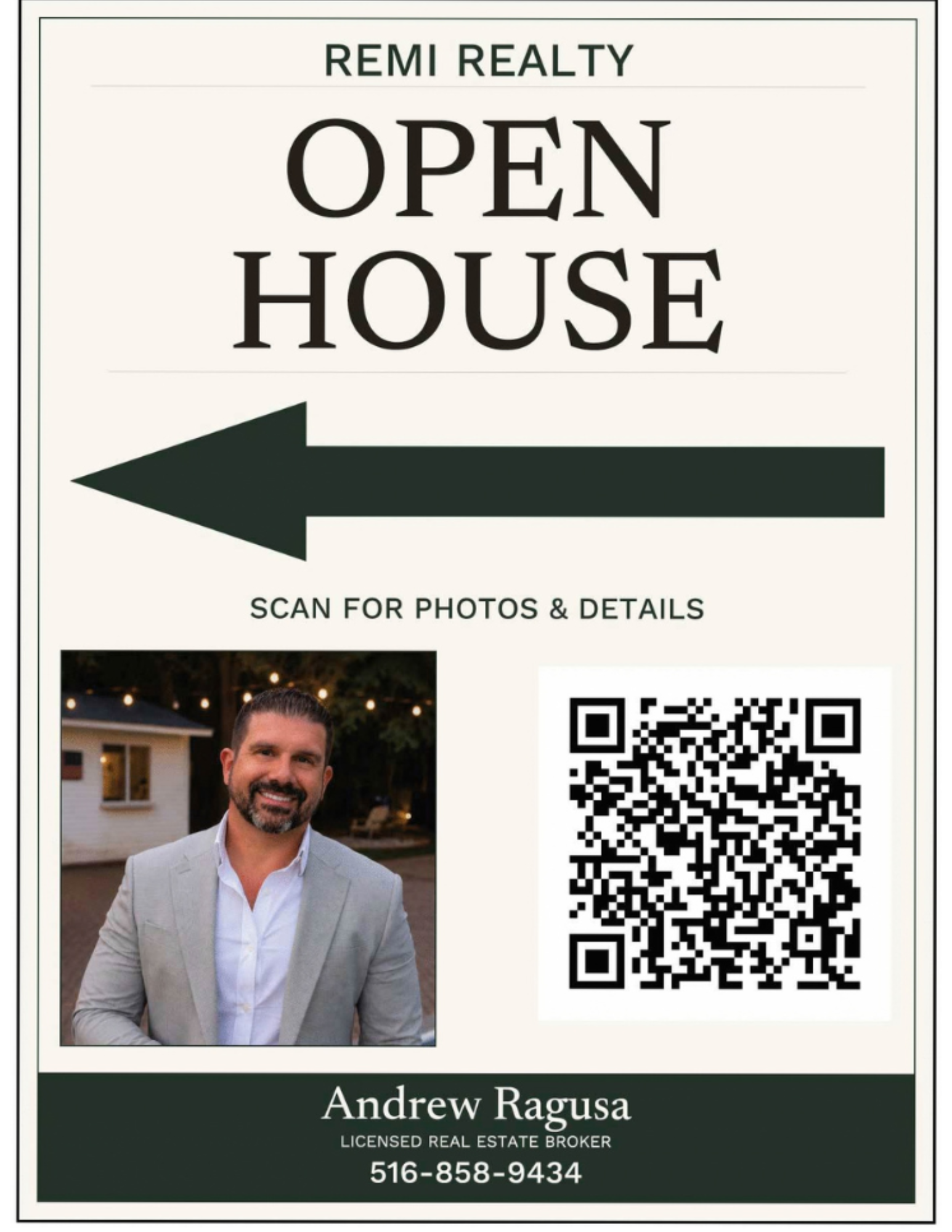
I use three different QR codes for three different jobs. The QR code on the yard sign opens the property page at andrewragusa.com/sign, where people can see property and listing information. The QR code on the open-house A-frame opens andrewragusa.com/open-house, which helps visitors find the property and its listing or MLS fact sheet. The entry-flyer QR code opens Realtor Sync for visitor check-in and disclosures. Keeping those jobs separate makes each sign easier to use and keeps the check-in process at the entrance.
Before the event, the seller and I collect the property information buyers are likely to ask about: known renovation dates, roof and window work, boiler and water-heater replacements, conversions and other upgrades. I display that fact sheet with the listing printout and the applicable fair-housing notice.
The fact sheet distinguishes information supplied by the seller from independently verified permits, records or condition. A date or improvement provided by the seller is useful context, but I do not present it as independent verification when it is not.
The length and schedule should fit the property.
There is no fixed hour range that every open house must follow. I choose the timing based on the property, price and location, the interest we reasonably expect and what the seller needs. A concentrated period can also let visitors see genuine buyer activity when it exists, without manufacturing demand or promising a bidding war.
My portal creates a clear record of attendance and representation.
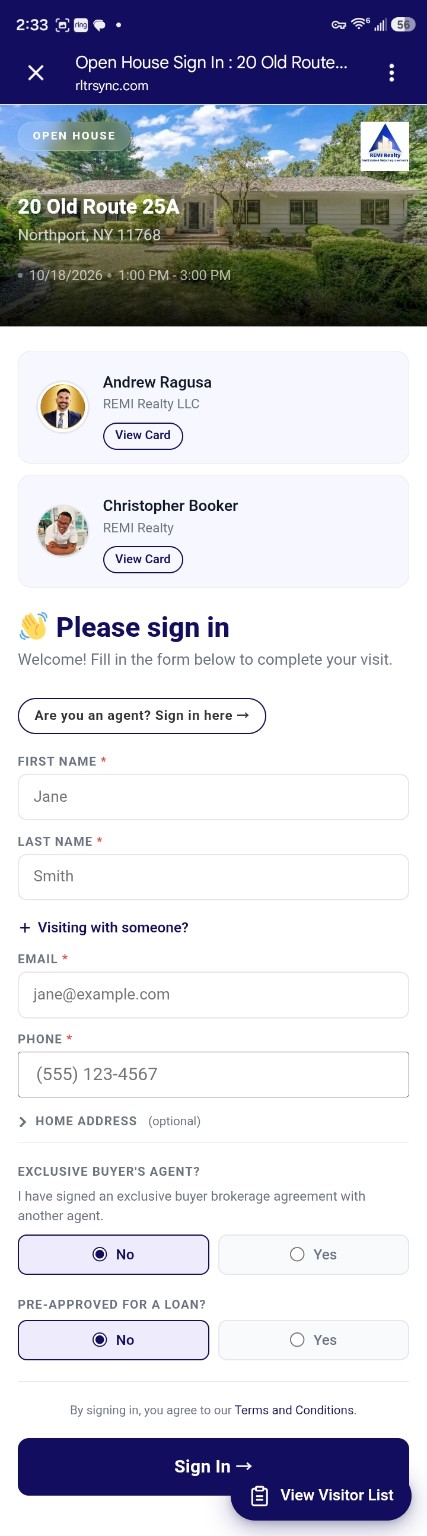
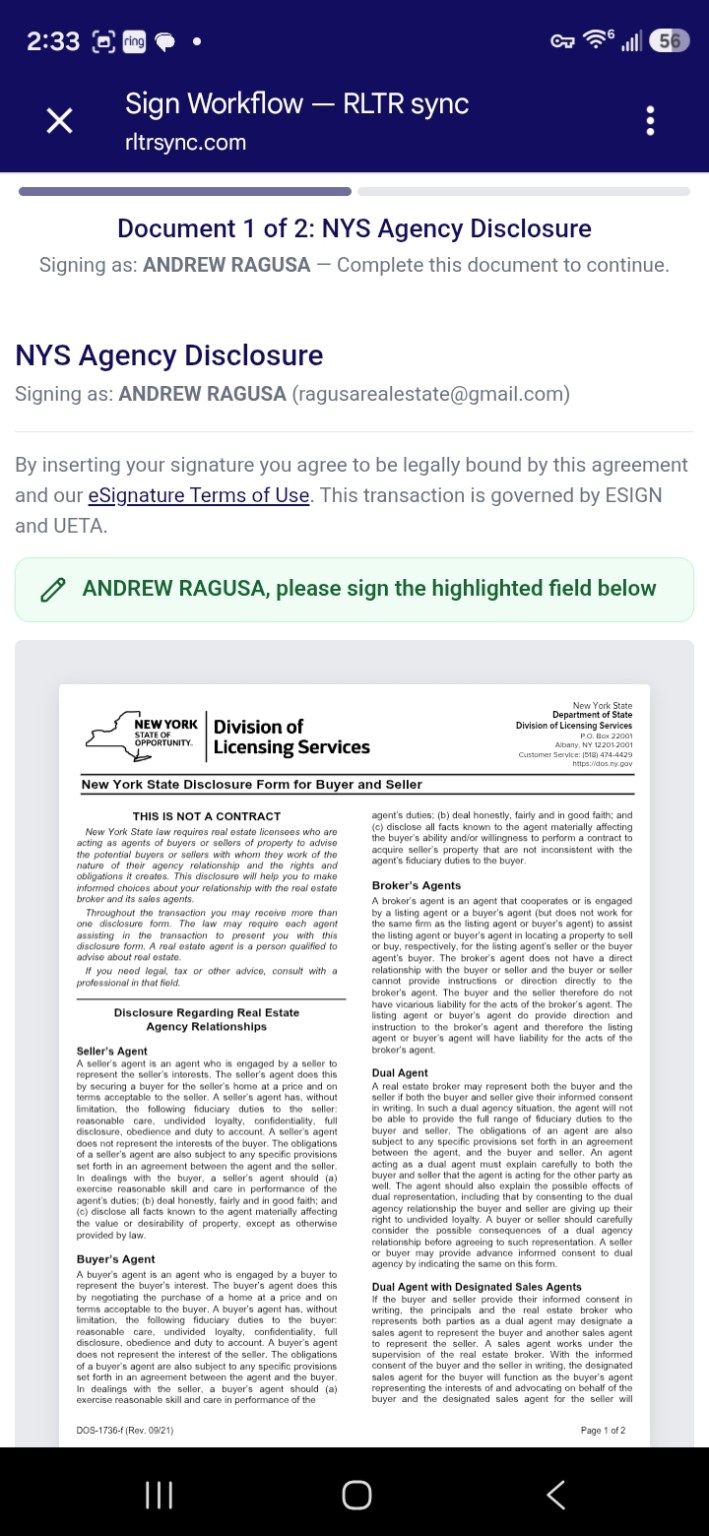
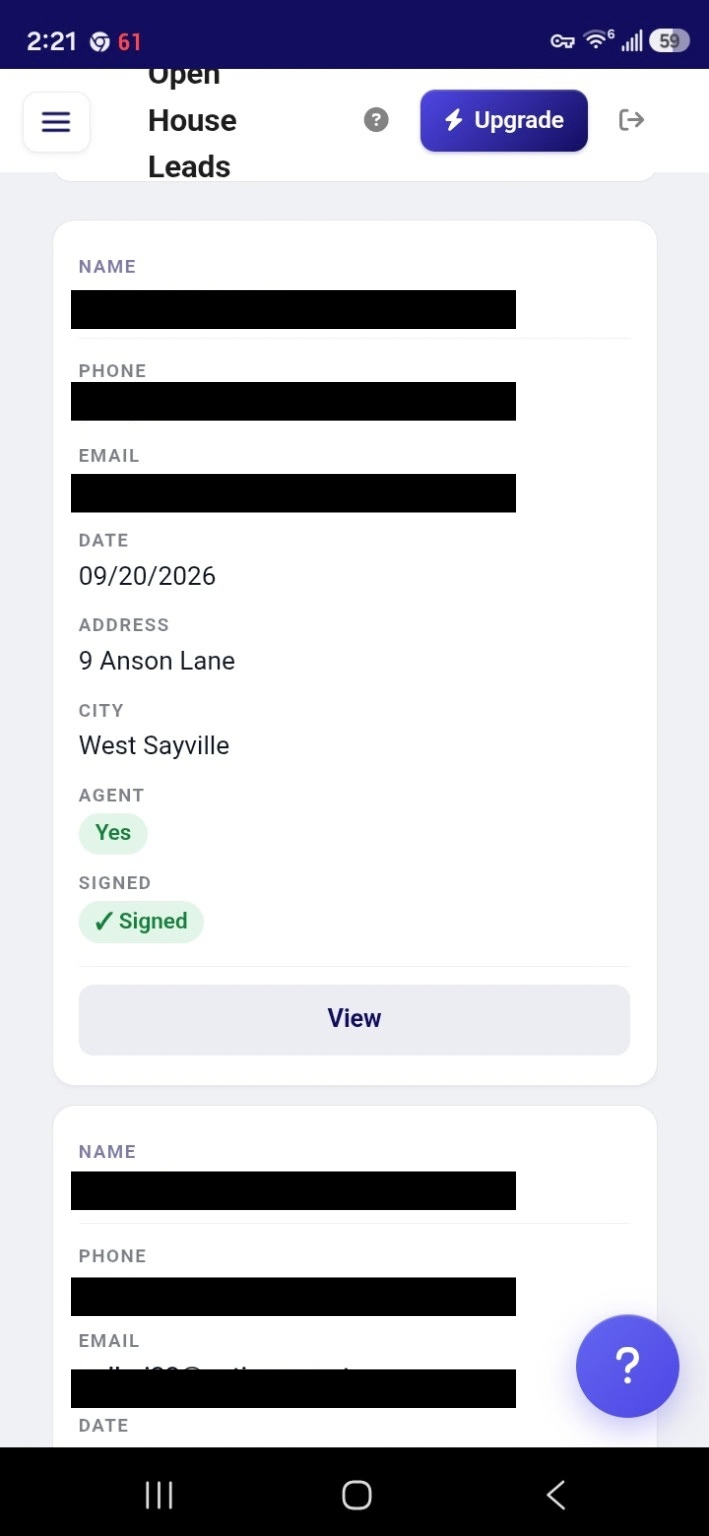
Visitors are required to sign in through my digital open-house portal before touring. They scan a QR code and enter their name, contact information and a few details, including whether they’re working with an agent. The portal then presents the agency, fair-housing and camera/audio-recording disclosures for review and acknowledgment. Completed disclosure copies are emailed to the visitor and me. This creates a record of attendance, helps organize follow-up and makes clear that I represent the seller.
This is my open-house process; it does not mean every one of those forms is universally required by New York law in every situation. Agency acknowledgment is not a buyer representation contract. A recording notice means that a home may have camera or audio devices; it is not a claim that every home has them.
When visitors arrive with their own agent, I coordinate check-in with that agent. The agent may sign in or provide a business card, so an accompanied client does not always complete the identical QR flow. I may ask whether a visitor has a mortgage preapproval, but preapproval is not a prerequisite for entering the open house.
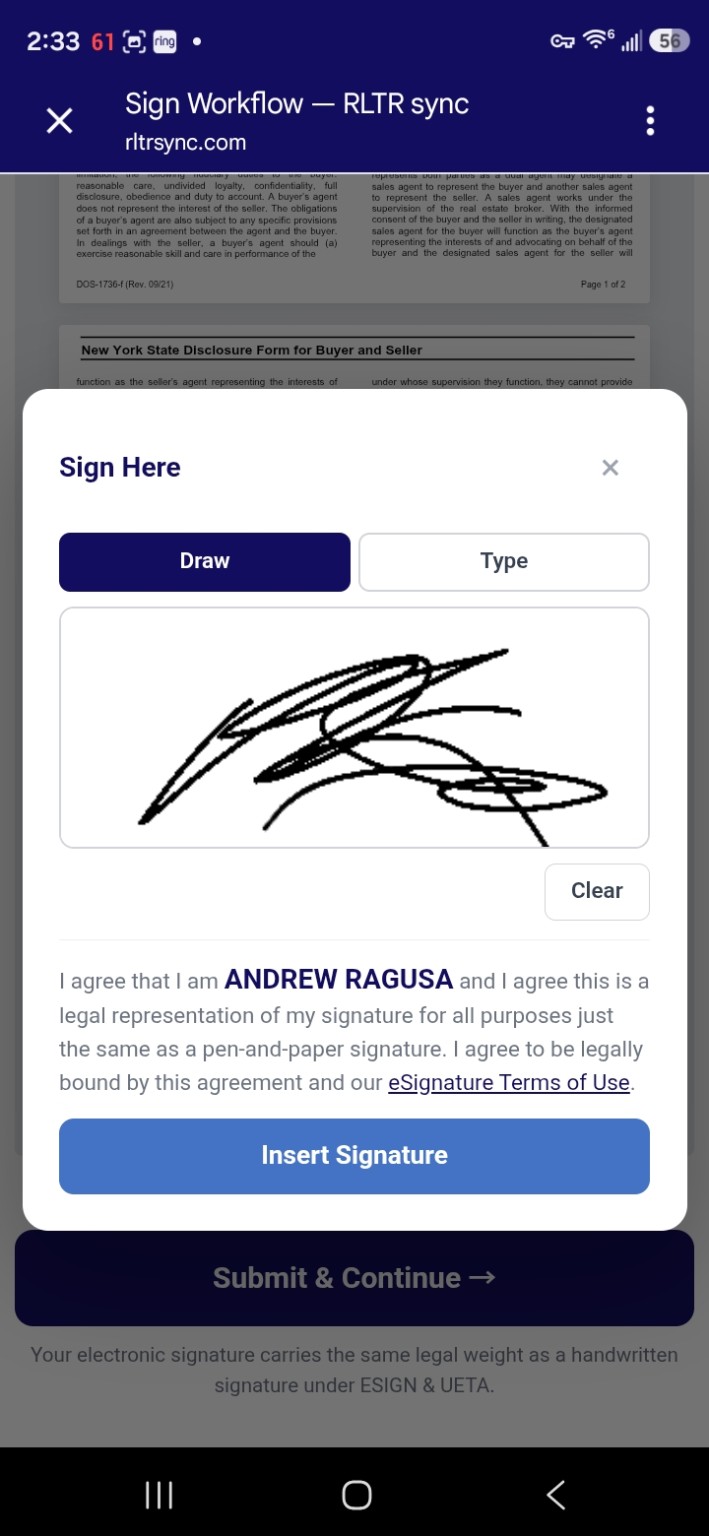
I manage the entrance, answer questions and circulate when I can.
I am generally positioned near the entrance so I can manage sign-in, welcome visitors and explain how the open house will work. I invite questions and circulate through the home when I am available. At a busy event, people may be touring different rooms at the same time, so I am honest with sellers that I cannot continuously watch every visitor.
Buyers attending an open house can expect to check in, review the applicable notices and tour the property while I represent the seller. They can ask questions whether they come alone or with an agent, and attending does not require them to hire me as their buyer’s agent.
The information collected becomes organized follow-up.
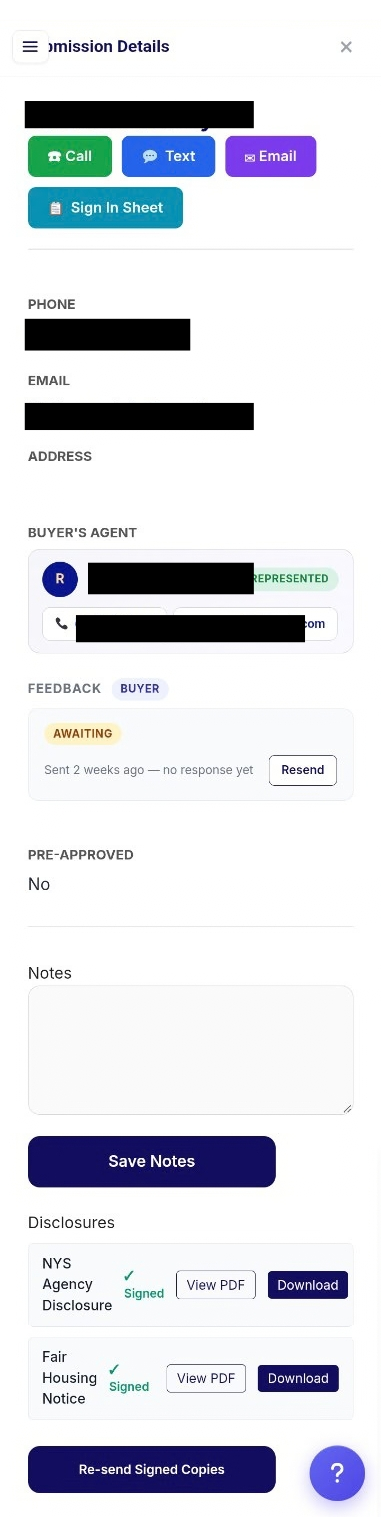
Approximately 30 minutes after sign-in, an automated email thanks the visitor and sends the digital listing information. After that, I and the agents working with me coordinate further outreach, questions and expressions of interest. I remain responsible for the seller’s marketing plan while my team helps make sure questions and follow-up are handled promptly and consistently.
The sign-in records give me what I need for that follow-up. I can review who attended, how to reach them and what they were looking for, and I use those details to answer questions, gauge interest and keep the seller informed. The seller does not log into the portal themselves; they receive organized updates from me.
The open house has to connect to the seller’s larger plan.
Interested buyers or their agents can submit through my offer portal. The submission can include the offer amount, representation and attorney details, supporting proof-of-funds or financing documents, and any concessions or compensation requests that apply. The seller can log in to compare the offers and an estimate of the money remaining after fees, credits and terms. That estimate is a planning tool, not a guarantee of the final closing amount.
I explain the complete comparison process in the Seller’s Playbook: how I organize and evaluate offers with a seller.
An open house is one part of the property’s broader pricing and marketing plan. The right preparation, schedule, visitor process and follow-up should all support the decision the seller is trying to make—not operate as a stand-alone event.
Let’s plan the open house around your property.
Tell me about the home and what you are trying to accomplish. I will get back to you personally.