The Sale Worked. The Purchase Became the Hard Part.
The homeowners needed the proceeds from their 1,028-square-foot Smithtown house to purchase a larger home in Huntington Station. Three buyers withdrew from the sale, the fourth agreed to an unusually flexible timeline, and problems at the next house continued through the final walkthrough and after closing.
This case study describes one completed transaction. The attorneys handled the contract terms, escrow agreement and legal work. I handled the real-estate strategy, offer negotiations, communication and coordination between the two transactions.
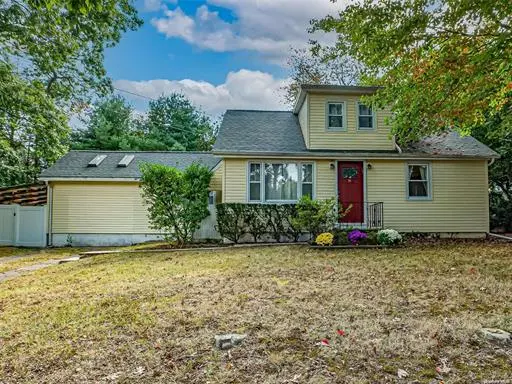
25 Pine Acre Drive, Smithtown
Property sold
$549,999
Original asking price
$560,000
Final sale price
38 Leonard Street, Huntington Station
Property purchased
$649,000
Original asking price
$700,000
Final purchase price
January 22, 2025
Sale closing
January 24, 2025
Purchase closing
Property photo placeholder
25 Pine Acre Drive
Smithtown
The home being sold
Property photo placeholder
38 Leonard Street
Huntington Station
The home being purchased
They came back when the first house no longer fit.
I first represented these clients in 2019 when they purchased 25 Pine Acre Drive as first-time home buyers. They bought the house for $435,000.
Pine Acre was a fully renovated three-bedroom, two-bath ranch, but it was only approximately 1,028 square feet. They had already started to outgrow it after their first baby. When their second baby arrived, the space became too tight and they knew they had to move.
They called me back to represent them as first-time sellers and help them purchase the next house.
They needed the proceeds from Pine Acre to complete that purchase, so the sale and the next purchase had to be planned as one connected move.
The equity created the opportunity to move.
They originally purchased Pine Acre for $435,000 in 2019 and sold it for $560,000 in 2025. That $125,000 difference is not the same as profit: it does not account for the mortgage balance, closing costs or other expenses. But the appreciation increased the equity available for the next purchase and gave them financial options they did not have as first-time buyers.
The first number we needed was not the asking price.
Lisa and Matt needed the proceeds from Pine Acre to purchase the next house. Buying first did not make sense for their financial situation. They could prepare and monitor the market, but before they committed to another property, we needed to secure a buyer for Pine Acre and establish a dependable sale number.
I sat down with them and worked through the estimated cost of selling Pine Acre, the likely net proceeds and the money they would need for the next purchase. Based on that discussion, we established an initial search range of approximately $750,000.
One of my favorite moments came at the closing table. Lisa had written down the estimates I gave her during that original conversation and brought her notes to closing. When she compared them with the actual numbers, they were almost the same. We laughed about how close the estimates had been.
Read the guide to selling and buying a home at the same time →
The house did not need renovation. It needed a manageable showing plan.
Pine Acre had been fully renovated when Lisa and Matt purchased it, and it did not need another renovation before they sold it. The challenge was keeping approximately 1,028 square feet ready for buyers while they were working and caring for a baby.
The baby was home with the grandmother during the day, and toys naturally ended up throughout the house. Lisa would come home from work knowing that another appointment might mean cleaning everything again and leaving the property. That became stressful very quickly.
I did not want their lives interrupted every time one buyer wanted to walk through the house. We concentrated the early activity into the weekend open houses, pushed most buyers toward those scheduled windows and accommodated only a few private appointments when someone genuinely could not attend.
Aside from the open houses, the sellers only had to accommodate a small number of private showings, the buyer’s inspection and the appraisal. The strategy reduced the number of interruptions while still giving serious buyers an opportunity to see the property.
See how I concentrate early showing activity in the Seller Playbook →
Buyers lined up in the rain.
Pine Acre entered the market on September 5, 2024, with an asking price of $549,999.
Saturday’s open house took place in the rain. The house was only approximately 1,028 square feet, so I could not allow everyone inside at the same time. Buyers stood outside waiting for an opportunity to enter. Sunday’s weather was better, and the open house remained busy, although it was not as intense as Saturday.
The turnout was enormous, but turnout and complete offers are not the same thing. After reviewing my old emails and notes, I determined that we received approximately ten complete offers supported by pre-approval letters or other required documentation—not the twenty offers I initially remembered. Some of those offers were also substantially below the asking price, including offers around $500,000 and $525,000.
Smithtown’s location, the renovated condition and the relatively low entry price attracted buyers who wanted an opportunity to move into the area. At the same time, the house’s limited size would eventually cause several aggressive buyers to reconsider.
Three accepted buyers withdrew. The fourth closed.
The strong open-house turnout produced several aggressive offers, but receiving an aggressive offer and completing a sale are not the same thing.
One documented offer began at $565,000 as an all-cash offer. It included an escalation clause increasing the offer in $5,000 increments above the highest verified written offer, up to $590,000. The buyer also proposed continuing as high as $665,000 with mortgage financing for any amount above $590,000.
That buyer ultimately withdrew.
The problem was the size of the house. Once some buyers realized how much they might have to pay to win Pine Acre, they began comparing it with other Smithtown houses available in the $600,000 to $650,000 range. Some of those homes were older and needed more work, but they offered substantially more living space than Pine Acre’s approximately 1,028 square feet.
Three buyers whose offers had been accepted withdrew before a contract was completed. Lisa began to panic. After seeing three prospective buyers change their minds, she became worried that nobody was going to purchase the house.
I explained that the house was still desirable. The turnout had been real, the offers had been real and the property still provided an opportunity to purchase a renovated house in Smithtown at a relatively low entry price. The limitation was also real: some buyers would decide that they needed more space.
Approximately ten complete offers received
Three accepted buyers withdrew before contract
The fourth buyer was selected
Closed for $560,000
A documented escalation offer
Redacted offer email to be added
The buyers had already seen the demand for themselves.
The ultimate buyer attended both weekend open houses. On Saturday, he stood outside in the rain with the other buyers waiting to enter. He returned on Sunday and again saw people coming through the house.
That became important after the earlier buyers withdrew. The fourth buyer did not know the confidential details of the seller’s previous negotiations, and I was not going to disclose private information that could weaken my client’s position. What he did know was what he had personally witnessed: a genuine crowd of buyers competing for the opportunity to purchase the property.
If every showing had taken place privately, one buyer at a time, none of them would have had the same view of the market response. Concentrating the appointments did not manufacture demand. It made the real demand visible.
Concentrating the appointments did not manufacture demand. It made the real demand visible.
The fourth buyer gave them something just as important as price: time.
Lisa and Matt ultimately accepted the highest remaining offer, which produced a $560,000 contract price. The buyer did not have another property to sell and said that he could remain in his existing living arrangement while Lisa and Matt searched for their next home.
That flexibility gave them relief. They did not have to select the first available house simply because their buyer was pressuring them to close immediately.
The attorneys then documented an unusually protective agreement for the Pine Acre sellers. The sale was contingent on Lisa and Matt successfully purchasing another home. They could extend the anticipated closing date by as much as 45 days, and the agreement gave them an option to cancel if they could not find and close on the next property within the permitted period.
If they exercised that option, the buyer’s deposit would be returned and the sellers would reimburse certain specified and reasonable transaction expenses, including applicable attorney, title, inspection, survey and appraisal costs.
This was an exceptional agreement. It is the only transaction I have handled where a seller received this specific level of protection while the buyer continued spending money and completing the mortgage and title process. It should not be presented as something every seller can expect to obtain.
Once Lisa and Matt secured the next house, the Pine Acre buyer moved forward with the mortgage, title search and the remaining transaction expenses. By that point, the buyer was invested in the purchase and wanted to close. I did not need to persuade him to remain in the transaction.
An exceptional—not standard—agreement
- The Pine Acre sale depended on the sellers successfully purchasing another home.
- The sellers could extend the anticipated closing date by as much as 45 days.
- The sellers had a limited cancellation option if they could not find and close on the next property.
- The buyer would receive the deposit back and reimbursement of specified reasonable transaction expenses if that option was exercised.
These terms were negotiated for this specific transaction and documented by the attorneys. They should not be treated as standard contract language or a result another seller is guaranteed to receive.
The provision that created time to buy
Redacted Pine Acre addendum to be added
This was an exceptional negotiated agreement—not a standard protection that every seller should expect to receive.
Once the Pine Acre sale was moving forward, Lisa moved quickly.
The Pine Acre buyer had agreed to give Lisa and Matt time, but Lisa still wanted the certainty of knowing where her family was going. Once the sale was moving forward, she searched the available listings aggressively and we began looking at potential homes.
They made offers on several properties. One of those offers was accepted at 64 Harrison Drive in East Northport.
Winning the Harrison offer did not make it the right purchase.
Harrison entered the market at $689,000. On September 23, 2024, Lisa and Matt offered $705,000. The offer was accepted, but the parties never completed a binding contract of sale.
The nonbinding offer memorandum identified the purchase as contingent on the sale of Pine Acre. It was submitted four days before the September 27 contract date reported in Pine Acre’s MLS history, which means their search had reached the offer stage while the sale was still moving through its own contract process.
Lisa and Matt completed a home inspection at Harrison. The house had deferred maintenance and required more work than they were comfortable accepting at that price. It also did not give them enough additional space to justify the repair burden.
They decided to withdraw and continue looking.
The public listing did not report a reliable square-footage figure for Harrison, so I am not going to publish a number I cannot verify. The confirmed point is that Lisa and Matt did not believe it provided enough additional space to justify the price and repairs.
The Harrison repair decision is based on my recollection of the inspection and the clients’ decision at the time. I do not have the inspection report available for publication.
See how I help buyers decide when to walk away →
What happened to Harrison afterward
After Lisa and Matt withdrew, Harrison returned to the market. The asking price was later reduced to $679,000, and the property ultimately sold to another buyer for $672,500 on January 8, 2025.
The later sale price does not establish the cost of the repairs or prove what the house was worth to Lisa and Matt. It provides public context for the decision they made before contract.
A correction from the records
I initially remembered the Harrison property as approximately $50,000 more expensive than Leonard. The dated offer corrected my memory. Lisa and Matt’s accepted Harrison offer was $705,000, and their eventual Leonard purchase was $700,000—a difference of $5,000.
Leonard offered the space and location they were trying to find.
38 Leonard Street entered the market on October 15, 2024, with an asking price of $649,000. It was a five-bedroom, two-bathroom expanded ranch in Huntington Station.
The house was close to Lisa’s job and next to a park the family liked. More importantly, it gave them substantially more room than Pine Acre or Harrison.
Leonard also had extensive deferred maintenance. Lisa and Matt understood that they were not purchasing a move-in-ready house. They decided that the size and location made the work acceptable.
We visited Leonard twice through private appointments. There was no crowded open house showing us how many other buyers might be interested, and the listing side did not provide me with verified information about competing offers.
Lisa and Matt decided to offer $700,000. They arrived at that number themselves.
It would have been easy for me to pretend I knew exactly what it would take to win, but I had no information they did not have. I saw what they saw. I could explain the market, the property and the uncertainty, but I could not honestly tell them whether another buyer was offering more or whether $700,000 was necessary.
I could explain what we knew. I was not going to pretend I knew what the competing offers were.
64 Harrison Drive
- Location
- East Northport
- Original asking price
- $689,000
- Accepted offer
- $705,000
- Property
- Three bedrooms · Two bathrooms
- Condition
- Deferred maintenance and substantial repair concerns
- Decision
- Withdraw after the inspection
38 Leonard Street
- Location
- Huntington Station
- Original asking price
- $649,000
- Purchase price
- $700,000
- Property
- Five bedrooms · Two bathrooms
- Condition
- Extensive deferred maintenance
- Decision
- Proceed because the size and location justified the work
Both properties needed work. The decision was not simply about finding the cheaper house. Lisa and Matt considered the purchase price, repair burden, usable space, location and whether the property could work for their family over time.
The inspector could only evaluate what was accessible.
Leonard contained a tremendous number of belongings when the home inspection took place. Furniture and personal property covered or blocked portions of the house, and the seller did not want to move everything around during the inspection.
That limited what the inspector could see. A home inspector can evaluate visible and accessible areas, operate accessible systems and identify signs that may require further investigation. An inspector cannot see through belongings, walls, underground pipes or the ground itself.
I do not believe the seller was intentionally trying to hide defects. Based on the way he later reacted to the problems discovered at the final walkthrough and closing, I believe he had lived with many of these conditions for so long that he considered them normal.
The inspection still identified significant concerns. Lisa and Matt knew the property had extensive deferred maintenance and decided to continue because the house’s size and location remained valuable to their family.
The belongings did not make the inspection meaningless. They made its limitations more important.
The attorneys turned the inspection findings into six repair obligations.
I did not remember every repair item when I first began reconstructing this transaction. Reviewing the fully executed purchaser’s rider showed that six separate inspection-related items had been written into the agreement.
The rider required the seller to address the work at the seller’s expense, use appropriately qualified contractors, provide applicable written certifications and photographs, and allow reasonable follow-up access before closing.
- 01
Electrical service entrance
Correct the non-continuous electrical service-entrance conduit and the related moisture concern.
- 02
Basement moisture
Address the identified moisture intrusion and visible efflorescence in the basement.
- 03
Electrical panel
Address the corrosion and moisture identified at the electrical service-panel cabinet.
- 04
Water-supply pipes
Address the corroded water-supply pipes and evidence of previous leakage.
- 05
Waste line and clean-out
Replace the sewer ejector-pump waste pipe and provide the proper main clean-out described in the rider.
- 06
Corroded fittings
Address the identified corroded pipe fittings.
The repairs addressed in the contract rider
Redacted Leonard repair rider to be added
The contract also required the plumbing, heating, electrical systems and included appliances to be in working condition at closing. The purchaser’s rider required the property to be vacant and broom-clean, with the seller’s belongings removed. It also required the wastewater system to be in working condition.
These were not casual promises made during a showing. They were written contractual requirements prepared and documented by the attorneys.
The home inspector identified the physical observations. I helped the buyers understand the practical concerns and communicate what they wanted addressed. The attorneys negotiated and documented the parties’ legal obligations.
The transactions were financially connected, but Leonard was not legally contingent on Pine Acre.
By the time Lisa and Matt entered the Leonard contract, Pine Acre was already under contract. They still needed the proceeds from that sale as part of the financial plan for the next purchase.
However, the Leonard seller’s rider expressly stated that the purchase was not contingent on the sale of Pine Acre or any other real property owned by Lisa and Matt.
That distinction matters. In practical terms, the two transactions remained financially connected because the proceeds were important to the buyers. Contractually, the Leonard seller had not agreed to make the purchase dependent on Pine Acre successfully closing.
That made the strength and flexibility of the Pine Acre buyer especially important. It also meant Lisa and Matt needed to understand the risk they were accepting before signing the Leonard contract.
The attorneys were responsible for explaining the legal effect of the contingency language and advising their respective clients. This case study describes how the transactions were structured; it does not provide legal advice.
September 27, 2024
Pine Acre’s reported MLS contract date
November 1, 2024
Leonard’s reported MLS contract date
The reported contract dates were 35 days apart. The search moved quickly, but the period between the Leonard contract and closing would take much longer.
The Leonard seller repeatedly needed more time to move.
The Leonard contract was reported on November 1, 2024, but the seller had accumulated many belongings during his years in the house and repeatedly needed additional time to move everything out.
There were no mortgage, appraisal, title, certificate-of-occupancy or permit problems delaying either transaction. The primary delay came from the Leonard seller needing more time.
Meanwhile, the Pine Acre buyer continued completing the mortgage and title process. Once Lisa and Matt had secured Leonard, their buyer had already invested time and money in purchasing Pine Acre and wanted to close. I did not have to persuade the buyer to remain in the transaction.
Leonard ultimately closed on January 24, 2025—84 days after its reported November 1 contract date.
Removing the belongings revealed problems that had not been visible before.
By the final walkthrough, the seller’s belongings had been removed and Lisa and Matt could see areas that had been blocked during the inspection.
Many of the six repairs written into the purchaser’s rider had not been completed. Additional leaks were visible, and the boiler was not functioning properly. These were especially important because the contract required the plumbing and heating systems to be in working condition at closing.
The final walkthrough was not a ceremonial last visit. It was the buyers’ opportunity to compare the empty property with the condition and repair obligations written into the contract.
The final walkthrough was where the condition of the empty house finally became visible.
At the inspection
The house contained substantial furniture, belongings and personal property that limited visibility.
In the contract
Six repairs and working plumbing, heating and wastewater systems were required in writing.
At the final walkthrough
Many repairs remained incomplete, leaks were visible and the boiler was not functioning properly.
The strongest practical leverage existed before the buyers agreed to close.
The unresolved problems led to a major disagreement between the buyer and seller at the closing table.
I had explained to Lisa and Matt that, from a practical transaction standpoint, their strongest leverage existed before they agreed to complete the closing. If they closed first and then asked the seller to address the problems afterward, their position could be very different. Their attorney was responsible for advising them about their contractual rights and the legal consequences of closing or refusing to close.
During the closing discussion, the seller explained that toilet paper could not be used in one of the toilets and that a bidet attachment had been installed instead. He appeared to believe that this was a normal way of using that bathroom rather than evidence of a larger problem.
I do not believe that statement was an admission that the seller had intentionally concealed a failed cesspool. To me, it demonstrated how differently two homeowners can view the same living condition. What the seller had accepted as normal immediately concerned the buyers.
The parties ultimately agreed that the boiler would be serviced and that a plumbing professional would snake the affected pipes. The attorneys arranged for $5,000 of the seller’s money to be held in escrow while that work was addressed.
This was an escrow holdback—not an immediate $5,000 credit to the buyers.
Who handled what
- Andrew
- Helped the buyers understand the practical problem, communicated with the parties and supported the clients through the decision.
- The attorneys
- Advised their clients about the contract and documented the $5,000 escrow arrangement.
- The service professionals
- Evaluated and performed the applicable boiler, plumbing and wastewater work.
The plumbing service led to a much larger discovery.
When the plumbing professional came to snake the affected bathroom line, he told Lisa and Matt that something was not right. That prompted them to arrange a camera inspection of the waste line.
The additional inspection found that the cesspool system or the piping leading into it had collapsed. One toilet would not flush properly, and the other bathroom also experienced problems that were not apparent during the original home inspection.
The $5,000 escrow was not enough to cover the complete replacement. After approximately one week of disagreement over the escrow, Lisa and Matt received the full $5,000, but they still faced the cost and disruption of installing a new cesspool system.
I was never told the final replacement cost, so this case study should not estimate it.
- 01
Final-walkthrough problems documented
- 02
$5,000 placed in attorney escrow
- 03
Plumbing professional identified a larger concern
- 04
Camera inspection found a collapsed wastewater system or line
- 05
The cesspool system was replaced
Matt found the assistance that made the replacement manageable.
Lisa had recently given birth and was recovering while the family was moving into a house with a major wastewater problem. Between the new baby, the move, the repair expense and the disagreement over the escrow, the situation became overwhelming.
I remained available after closing. I answered their calls, helped Lisa work through the immediate stress and contacted cesspool contractors to obtain information and possible replacement estimates.
Matt ultimately found the most important source of help. He discovered a public wastewater grant program available to qualifying homeowners and determined that they qualified for approximately $25,000 in assistance.
I did not find the grant, and I do not want the case study to suggest that I did. Matt found it. My role was to remain available, help them evaluate possible contractors and continue supporting them after the transaction had closed.
I did not find the grant. Matt found it. My job at that point was to remain available and help wherever I could.
The approximately $25,000 figure is based on Andrew’s recollection of what the clients reported. No grant approval or award document is available for publication, and the precise funding source has not been independently verified. Public wastewater grant programs, eligibility requirements and funding limits can change.
Review current Suffolk County wastewater-grant information →
Read how final-walkthrough problems and repair escrows are addressed in the Buyer Playbook →
The two transactions closed two days apart.
Pine Acre closed on January 22, 2025, for $560,000—$10,001 above its original $549,999 asking price.
Leonard closed on January 24, 2025, for $700,000.
Lisa and Matt used the post-closing possession negotiated with the Pine Acre buyer while they completed the Leonard purchase and moved their belongings. As I remember it, they left Pine Acre on approximately the third day. The exact move-out day has not been independently verified.
The family completed the move into a substantially larger five-bedroom home near Lisa’s job and the park they wanted. They also had to deal with the unexpected cesspool replacement immediately after closing.
The outcome was successful, but it was not smooth. The family reached the next house without moving into temporary housing, but the purchase created stress and an expense nobody had expected.
- Pine Acre purchase in 2019
- $435,000
- Pine Acre sale in 2025
- $560,000
- Difference before expenses and mortgage payoff
- $125,000
- Leonard purchase
- $700,000
- Time between the two closings
- Two days
- Post-closing possession
- Used for approximately three days
- Repair escrow
- $5,000
- Public wastewater assistance
- Approximately $25,000 reported by the clients
The $125,000 difference between Pine Acre’s 2019 purchase price and 2025 sale price is not a calculation of profit or net equity. The post-closing possession period and grant amount are based on Andrew’s recollection and have not been independently documented for publication.
June 10, 2019
Lisa and Matt purchased Pine Acre for $435,000 as first-time home buyers.
September 5, 2024
Pine Acre entered the market at $549,999.
September 23, 2024
They offered $705,000 for Harrison.
After the Harrison inspection
They withdrew before contract and continued searching.
September 27, 2024
Pine Acre’s reported MLS contract date.
October 15, 2024
Leonard entered the market at $649,000.
November 1, 2024
Leonard’s reported MLS contract date.
January 22, 2025
Pine Acre closed for $560,000.
January 24, 2025
Leonard closed for $700,000.
After closing
A camera inspection identified the collapsed wastewater system or line, the cesspool was replaced and the clients qualified for approximately $25,000 in reported public assistance.
They were hiring the person—not a brokerage logo.
I had already represented Lisa and Matt when they purchased Pine Acre as first-time buyers. When they needed to sell it and purchase the next house, they called me again.
I have never relied on the name of a large national brokerage to convince someone that I know what I am doing. I have had to rely on my own knowledge, preparation and ability to teach people what I know.
That does not mean pretending I have information I do not have. At Leonard, I had no verified information about competing offers, and I told Lisa and Matt that. When the grant became part of the solution, Matt found it—not me.
To me, becoming the sharpest tool in the shed means knowing what can be verified, being honest about what cannot be known and remaining available when the transaction becomes difficult.
I could not lean on a major brokerage brand. I had to become the sharpest tool in the shed.
Planning created options. It did not create guarantees.
The strongest part of this transaction is not that nothing went wrong. Plenty went wrong.
Three Pine Acre buyers withdrew. Lisa and Matt walked away from Harrison after the inspection. Leonard’s seller repeatedly delayed the closing. Several agreed repairs were incomplete at the final walkthrough. The cesspool problem was not fully discovered until after the purchase closed.
The planning still mattered.
Selling Pine Acre first established the money available for the next purchase. Concentrating the showings created visible demand and helped preserve the sellers’ negotiating position. The fourth buyer’s terms gave the family time. The repair rider established written obligations. The final walkthrough exposed incomplete work before closing. The escrow provided some protection, even though it was not enough to pay for the complete cesspool replacement. Post-closing possession bridged the two closing dates.
No single strategy could eliminate every risk. Each part of the plan solved a different problem.
What the plan helped control
- The order of the sale and purchase
- The estimated financial picture
- The number of showing interruptions
- The visibility of genuine buyer demand
- The timing flexibility received from the Pine Acre buyer
- The inspection repairs placed in writing
- The short period needed to complete the move
What the plan could not eliminate
- Buyers reconsidering Pine Acre’s size
- Unverified competition for Leonard
- The Leonard seller’s moving delays
- Conditions blocked by belongings
- Incomplete repairs at the final walkthrough
- A major wastewater failure discovered after closing
Preparation does not mean predicting everything that will happen. It means understanding what can be controlled, documenting the important terms and preserving enough flexibility to respond when the transaction changes.
Do you need to sell one house to purchase the next?
If the money for your next home is tied up in the property you already own, the first step is not simply putting the house on the market and hoping the dates work.
We need to understand what your current property may sell for, what the sale is likely to cost, how much money should remain, when you can begin making serious offers and what terms you may need from both sides.
Tell me what you own, where you are trying to go and whether you need the sale proceeds to complete the purchase. We can work backward from the move before either transaction begins.
Let’s just talk first.
No obligation and no pressure. Tell me a little about your situation and I’ll get back to you myself.